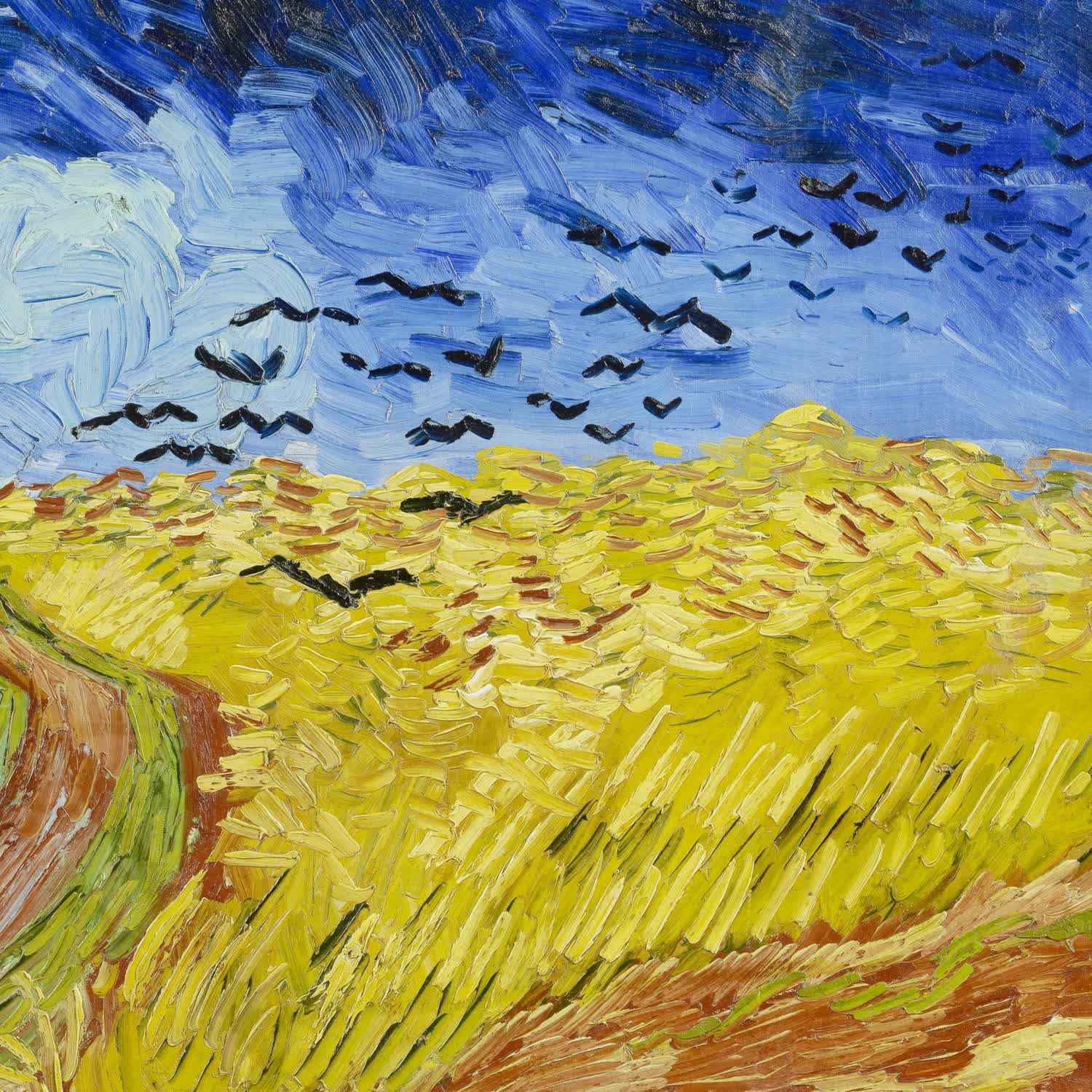
Description
"Kafan" (1936) is widely considered Munshi Premchand’s last and most famous short story. Moving away from his earlier idealistic portrayals of village life, "Kafan" is a brutal, cynical, and dark exploration of human psychology under the crushing weight of extreme poverty. It tells the story of two men who have been stripped of their dignity and humanity by a lifetime of hunger and social apathy.The Setting and The "Anti-Heroes"The story introduces us to Ghisu (the father) and Madhav (the son), two members of a lower-caste family sitting outside their hut on a cold, dark night. Inside the hut, Madhav’s wife, Budhiya, is writhing in the agony of childbirth.Ghisu and Madhav are described not as victims worthy of immediate sympathy, but as notorious idlers. In a society where labor is exploited, they have chosen the path of absolute resistance through laziness. They work only when starvation leaves them no choice. If they can get enough food for one day, they will not work for three. "Their reputation was such that if anyone needed a rope made, they didn't go to them... If they had even a handful of grain in the house, they swore off work."As Budhiya screams in pain, the two men peel roast potatoes they have stolen from a field. They are so consumed by their hunger and greed that neither is willing to go inside to check on her, fearful that if one leaves, the other will eat the larger share of the potatoes. Their apathy is chilling. Ghisu remarks that she will likely die, so she might as well "get it over with."The Death of BudhiyaBudhiya, the woman who brought some order to their chaotic lives by grinding grain and cutting grass, dies during the night. The men find her body in the morning, cold and lifeless, with her newborn child also dead.Suddenly, the apathy turns to performative grief. They beat their chests and cry, not necessarily out of love, but out of the sudden realization of the practical problem: The Rite of Death. They have no money, no wood, and no cloth to cremate her.They go to the village landlord
More By SyllabuswithRohit...
- 1

Demian (Hindi/हिंदी में)
SyllabuswithRohit... · 7,365 plays · 337:00
- 2
How to Change Your Mind (Hindi/हिंदी में)
SyllabuswithRohit... · 3,761 plays · 83:02
- 3
The Bus Ticket Theory of Genius (Hindi/हिंदी में)
SyllabuswithRohit... · 6,851 plays · 10:27
- 4
Mean Genes
SyllabuswithRohit... · 5,439 plays · 59:46
- 5
Pre-Suasion (Hindi/हिंदी में)
SyllabuswithRohit... · 4,873 plays · 57:20
- 6
Keep Your Identity Small (Hindi/हिंदी में)
SyllabuswithRohit... · 10,225 plays · 4:00
- 7
Krishnamurti to Himself (Hindi/हिंदी में)
SyllabuswithRohit... · 4,937 plays · 257:00
- 8
AlbumSyllabuswithRohit
SyllabuswithRohit... · 10,395 plays
- 9
The Prologue to Friedrich Nietzsche’s Thus Spoke Zarathustra
SyllabuswithRohit... · 6,307 plays · 48:54
- 10
Imaginary Homelands (Hindi/हिंदी में)
SyllabuswithRohit... · 7,703 plays · 34:33
You May Also Like
- 1
AlbumOrchest Stamboel
Orchest Stamboel · 6,632 plays
- 2
AlbumStiff Socks
Trevor Wallace and Michael Blaustein | Audioboo... · 6,036 plays
- 3
AlbumATERRADOS
Jason Thores... · 5,450 plays
- 4
AlbumNameTone
NameTone · 1,395 plays
- 5
AlbumExxasens Radio
9,158 plays
- 6
AlbumAll Crushes
6,755 plays
- 7
AlbumEasy Language
7,068 plays
- 8
AlbumAnjo Criança (Duetos Eternos), Vol. 6
Édison e Telma · 5,496 plays
- 9
AlbumHarmonic Flux
Harmonic Flux · 2,093 plays
- 10
AlbumRoma Smile Radio
3,840 plays
- 11
AlbumDelie Redx
Delie Redx · 9,927 plays
- 12
AlbumHyvän maun rajoissa
MCP & Kimbo · 7,827 plays