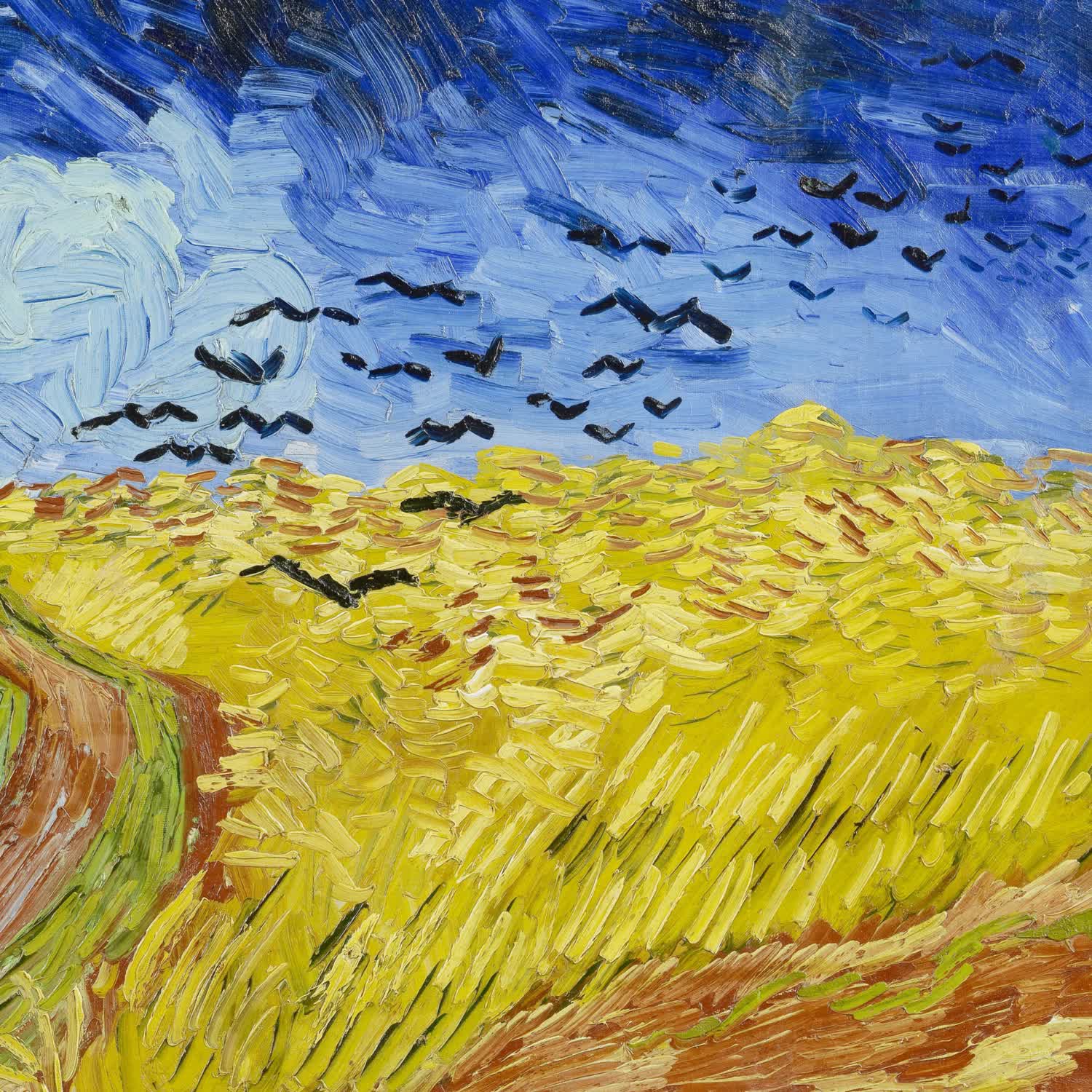
Imaginary Homelands (Hindi/हिंदी में)
SyllabuswithRohit... · 34:33 · 8,165 plays
From the album SyllabuswithRohit
Description
In his seminal essay, Salman Rushdie explores the complex relationship between memory, identity, and the act of writing from the diaspora. By examining the "broken mirror" of the migrant experience, he argues that the loss of a physical homeland leads to the creation of vibrant, "imaginary" ones.The Architecture of MemoryRushdie’s reflection begins with a 1946 photograph of his childhood home in Bombay. To the exile, the past often feels more like "home" than the foreign present. However, upon returning to Bombay after years away, Rushdie realized that his memories had become "monochromatic"—shaded in the black-and-white of old photos.Seeing the city again in "glorious Technicolor"—the red tiles, the green cactus, the brilliant bougainvillea—sparked the realization that the past cannot be perfectly reclaimed. Instead, it must be reconstructed. For the migrant writer, this distance creates a specific kind of internal pressure: the urge to look back, even at the risk of being "mutated into pillars of salt."The "Broken Mirror" MetaphorRushdie famously argues that the migrant writer deals in broken mirrors. Because they are physically alienated from their origins, they cannot reclaim the "whole sight" of their homeland. Instead, they create: Indias of the Mind: Invisible, imaginary versions of their country. Fragmented Perceptions: Shards of memory that, precisely because they are broken, acquire greater symbolic resonance.He rejects the "guru-illusion" that writers must be all-knowing sages. Instead, he embraces the "cracked lens" of human perception. In Midnight’s Children, this is reflected in the narrator Saleem Sinai, whose memory is fallible and whose vision is fragmentary. Rushdie suggests that this "partial" view is not a failure but a truthful representation of how we all perceive reality—built from scraps, old films, and childhood injuries.The Politics of DescriptionA central theme of the text is that description is a political act. Rushdie asserts that writers and politicians are natural rivals because bot
More By SyllabuswithRohit...
- 1

Demian (Hindi/हिंदी में)
SyllabuswithRohit... · 7,673 plays · 337:00
- 2
How to Change Your Mind (Hindi/हिंदी में)
SyllabuswithRohit... · 3,992 plays · 83:02
- 3
The Bus Ticket Theory of Genius (Hindi/हिंदी में)
SyllabuswithRohit... · 7,082 plays · 10:27
- 4
Mean Genes
SyllabuswithRohit... · 5,824 plays · 59:46
- 5
Pre-Suasion (Hindi/हिंदी में)
SyllabuswithRohit... · 4,950 plays · 57:20
- 6
Kafan (short story)
SyllabuswithRohit... · 8,287 plays · 17:42
- 7
Keep Your Identity Small (Hindi/हिंदी में)
SyllabuswithRohit... · 10,918 plays · 4:00
- 8
Krishnamurti to Himself (Hindi/हिंदी में)
SyllabuswithRohit... · 5,091 plays · 257:00
- 9
AlbumSyllabuswithRohit
SyllabuswithRohit... · 11,088 plays
- 10
The Prologue to Friedrich Nietzsche’s Thus Spoke Zarathustra
SyllabuswithRohit... · 6,846 plays · 48:54
You May Also Like
- 1
AlbumKalubarrel
Kalubarrel · 349 plays
- 2
AlbumDiseases of the Heart
136,730 plays
- 3
AlbumGeorge Harrison Radio
Paul McCartney & Wings · 1,620 plays
- 4
AlbumENNYI
ENNYI · 8,915 plays
- 5
AlbumELECTROcute: Sassy Upbeat Electro-Pop
Temp Love · 4,010 plays
- 6
AlbumFatt Staxx
Fatt Staxx · 1,918 plays
- 7
AlbumLA FLEMME
LA FLEMME · 8,777 plays
- 8
AlbumSundown Memories
Zen Lim · 10,279 plays
- 9
AlbumMga Awitin Laban Sa Corruption (Volume 2)
Makabayan · 8,045 plays
- 10
AlbumParanoid Mixtape
Chief Keith · 7,038 plays
- 11
AlbumSuspended Dimension
Johnny Yono · 10,518 plays
- 12
AlbumCowl
Dr smegma · 6,106 plays