
ألبوم
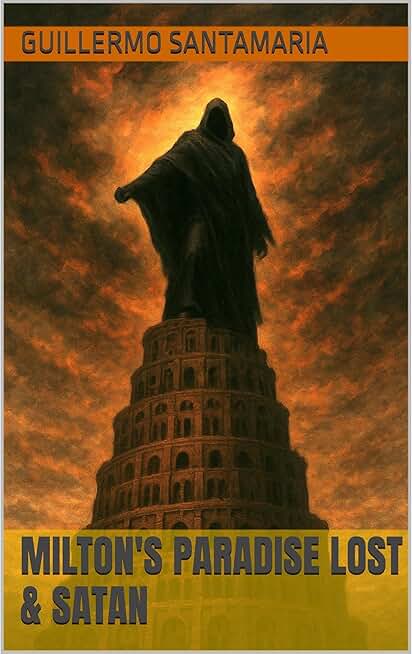
MILTON'S PARADISE LOST & SATAN
Isaiah 14:12, with its phrasehêlēl ben-šāḥar(“shining one, son of dawn”), originally referred to the King of Babylon in the form of a prophetic taunt-song (Isa. 14:4). The image of the morning star (Venus) mocked the arrogant ruler who exalted himself as divine but was cast down to Sheol. In Jewish interpretation, the passage was seen as satire of a human king, not a story about Satan. Early Christian writers, however, such as Tertullian, Origen, and Cyprian (2nd–3rd centuries), were the first to apply the verse allegorically to Satan’s fall. Jerome’s Latin Vulgate (4th century) translatedhêlēlasLucifer(“light-bearer”), and Augustine made this identification doctrinal by teaching that Satan was the original “Lucifer” who fell through pride, establishing pride as the essence of sin. Medieval theologians such as Gregory the Great and Thomas Aquinas reinforced this reading, and the Reformers generally inherited it: Martin Luther allowed the dual meaning (Babylon’s king literally, Satan spiritually), while John Calvin insisted that the immediate sense applied only to Babylon’s king, though he admitted the king’s pride mirrored Satan’s rebellion. Particular Baptists such as John Gill and Benjamin Keach also followed the dual interpretation, reading the text as both a taunt of Babylon’s monarch and an allegory of Satan’s fall, while later preachers like Spurgeon quoted Milton and the tradition cautiously, always subordinating it to Scripture. In contrast, modern historical-critical scholarship, beginning in the Enlightenment and cemented in the 19th century, denied the dual sense entirely, arguing that Isaiah 14:12 is about the King of Babylon alone, and that the Lucifer = Satan connection was a later Christian invention. Old School Baptists like Gilbert Beebe and Samuel Trott exemplified this sober approach, avoiding the Lucifer tradition altogether and instead grounding their teaching about Satan in clearer texts such as Job 1–2, Matthew 4, and Revelation 12.Read more
المقاطع: 6 · ٨٬٧٩٦ استماع
- ٦٬٩٢٧0:16
- ٧٬٣٦٥0:43
- ٦٬٩٣٧0:04
- ١٬٣٨٠0:05
- ٨٬٠٩٩0:22
- ٥٬٩٨٤0:31
- The turning point comes with the rise of historical-critical scholarship in the 18th–19th centuries.٨٬٥٤٦0:09
- ٩٬٨٦٩1:00
- ٦٬٨٠٥0:31
- ٤٬١٠٤0:22
- ٥٢٣0:07
- ٩٬٠٧٧0:32
- ٨٬٨١٨2:57
- ٢٬٨٧٢0:18
- ٣٬٨١٣0:18
- ٧٬٠٤٣0:05
قد يعجبك أيضاً
- 1
ألبومMoses Bliss
١٧٬٣٣٢٬٠٤٦ استماع
- 2
ألبومTwenty-five Promises from the Lord for Today [Audio Version]
٢٠٬٢٣٠ استماع
- 3
ألبومVersos sagrados
٢٣٬٣٧٠ استماع
- 4
ألبومMister Numan
Mister Numan · ٤٬٨٢٠ استماع
- 5
ألبومAbdullah Al-Qarafi - عبدالله القرافي
القرآن الكريم - The Noble Quran... · ٣٣٬٨٣٤ استماع
- 6
ألبومLa Máquina del Tiempo para estudiantes de español. Nivel A2 (Pre-Intermedio): The Time Machine adapted for Spanish Learners. Level A2 Pre-Intermediate | Easy Spanish novel | Graded Spanish readers
٩٥٬٧٤٦ استماع
- 7
ألبومBap Live - Bess Demnähx
BAP · ٦٬٥٨٦ استماع
- 8
ألبومياسر الدوسري | Yasser Al Dosari
القرآن الكريم - The Noble Quran... · ٧٬١٥٠ استماع
- 9
ألبومDJ Tunez
٥٬٢٦٨٬١٠١ استماع
- 10
ألبوم50 Days Before Easter Study Guide
٨٧٬٧٢٣ استماع
- 11
ألبومEuey
Euey · ٥٬١٤٥ استماع
- 12
ألبومآيات
٧٬٨٤٨ استماع