
Album
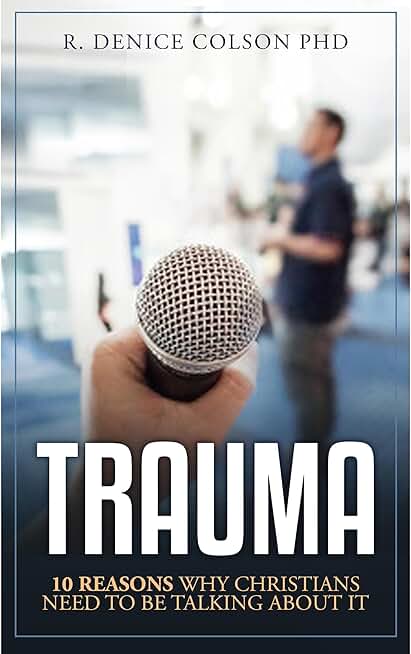
TRAUMA: 10 Reasons Why Christians Need to be Talking about It
Dr. Colson reveals ten reasons why Christians need to discuss trauma and its impact on people’s lives. She believes that trauma, especially in childhood, is one of the enemy’s main tools to block people from experiencing God’s grace, mercy, and love in their lives. It hardens people’s hearts to the idea that there could be a God, especially a loving God who cares about them and is for them. Suppose the enemy can get one person to deeply wound another through abuse, emotional neglect, addiction, or any other kind of adversity. In that case, he can step back and let the pain and bitterness change them, discoloring their view of God and plugging their ears to the call of the Holy Spirit. He can use it to isolate them in shame and fear, discouraging them from calling on God for help. If he can’t stop their salvation, he can limit their impact on others in the world and restrict their spiritual growth and participation in corporate worship or service.In the book's first part, she outlines her top ten reasons for talking about trauma in churches, Christian schools, counseling ministries, and others. She supports each description with research and statistics. She outlines the impact of trauma in people’s lives, including their spirituality, view of God, self, and others. Each of the ten reasons also includes suggestions for taking action to address that specific outcome.In the book’s second part, she discusses how to increase your ministry's trauma-informed care. Using professional guidelines for ethical and practical trauma care, she adapts the principles to Christian ministries that aren’t mental health centers. She gives examples for churches, schools, and small groups.Dr. Colson also includes some information on her Christian-integrated trauma treatment model. Most counseling approaches focus on visible symptoms, like behavior, conscious beliefs, and feelings. The most common theory is, if you change your thoughts and beliefs, you will change your feelings and behavior. Trauma-created beliefs are more insidious, how
Tracks: 12 · 174 plays
- 3490:14
- 1,2213:56
- 3499:58
- 6,5926:54
- 8,2765:13
- 9,0982:52
- 2,3806:34
- 1,2301:33
- 5,1504:39
- 5,9945:55
- 8,4346:50
- 11,1885:50
- 3,68327:57
- 9,4561:01
- 9,1290:05
You May Also Like
- 1
AlbumOmega’s Sweetest Revenge: Alora’s Tale
21,626 plays
- 2
AlbumPrecision Agriculture: Data-Driven Farming for Enhanced Productivity
280,784 plays
- 3
AlbumIbuyile Inkosazane
7,798 plays
- 4
AlbumThe Will to Power: Confronting Ideologies that Dismantle Christian Community
174 plays
- 5
AlbumDJ STONE 254
11,929 plays
- 6
AlbumLNK
LNK · 4,850 plays
- 7
AlbumSlipknot
Slipknot · 2,616 plays
- 8
AlbumGrounded In Grace: A 90-Day Guided Devotional and Prayer Journal For Anxious Hearts
1,046 plays
- 9
AlbumUnwrap
7,674 plays
- 10
AlbumThe Second Coming of Christ: Encouragement to Watch and Be Ready for Our Lord’s Return (Updated and Annotated)
23,893 plays
- 11
AlbumAcross the Atlantic: Norwegian Pentecostal Missionary Work in the Americas
6,925 plays
- 12
AlbumIs Christianity Compatible With Deathbed and Near-Death Experiences?: The Surprising Presence of Jesus, Scarcity of Anti-Christian Elements, And Compatibility with Historic Christian Teachings
1,221 plays